Planting Season Begins

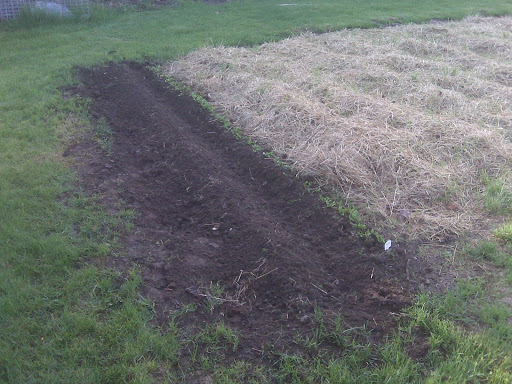
Although I had previously planted a row of spinach and some peas, today the planting season started full force. We gathered the troops and planted the followin

4.5 12′ rows of Kennebec potato
3 12′ rows of Purple Haze potato
3 12′ rows of Yukon gold potato
2 10′ rows of Red Norland potato ( planted closer for early potato)
2 12′ rows of yellow onion
10 10′ rows of yellow/white/red onions
1 20′ row green beans
3 8′ rows of peas
1 20′ row of snow peas ( makes a second row)
1 8′ row of spinach ( makes a second row)
1 8′ row of rainbow carrots
2 8′ rows kohlrabi
16 cloves of garlic

This is just the beginning… as the season progresses, there will be tomatoes, peppers, zucchini, squash, pumpkins, chard, lettuce, herbs, kale and other deliciousness.

It is so nice to have the growing season started again…

It’s not too late- the mid summer garden

Most people think of the life cycle of a garden as something that begins in the spring, simmers slowly, grows like crazy all summer and then is over in August or so. Planting is deeply tied in most people’s brains with the spring- but even here in North Central Indiana where we live in zone 5, planting continues into August in our garden. We like to spread our garden bounty over as many months as possible, both to extend the return and because with a full time job, I could not possibly handle everything needing to be harvested and processed all at once.

In the next week, I will be planting Okra, second crop turnips, late leaf lettuce and more green beans. If you look at my garden right now, it is a complicated mix of ready to harvest vegetables growing right next to just sprouted seedlings. I have a stash of seeds in my garage waiting for early August planting- peas, snow peas, spinach and kale. They are cool weather crops, and with a little luck and not a very early snow, we will be harvesting the peas and snow peas in September and will continue getting spinach and kale until the first very hard freeze. Kale is hardy enough that is will often survive a couple of freezes and you can go pick it out of the snow.

If you have been contemplating a garden, but have given up because you think it is too late, get out there and get some seeds. Here are some examples of wonderful foods you can still grow and harvest this season, even in hardiness zone 5:

1. Tomatoes. It is way too late to plant seeds, but you can still go grab a tomato plant from your local garden shop and stick it in dirt. They do well in containers or in the garden. The critical factor with tomatoes is to find a spot where they get at least 8 hours of sun to set fruit. It will be late before you get fruit, but for the last few years we have harvested tomatoes up until November in our garden.

2. Lettuce. It is too late for a large head lettuce, but most leaf lettuces are ready to start eating only a month from planting, and then continue on for many weeks after that. Baby or mini romaine lettuce will also sometimes be ready in only 6 weeks- that is a mid August harvest.

3. Radishes. Check the packets for expected time to harvest. Regular red globe radishes are typically a month to harvest, and right now is the perfect planting time for the long growing, late harvest radishes like a Daikon to be ready in early September.

4. Green Beans. With a 6-8 week plant to harvest cycle, you can still get green beans planted for the next couple of weeks. These are easy to grow and freeze very well for consumption later on. We are working on squeezing in as many cycles of green beans as we can this year to last longer into the winter.

5. Peas and snow peas. It is actually too early to plant the late crop of these chill weather loving plants. If it is too hot when they flower, they will not set fruit well. If you live in a warmer zone, you will have to push the planting date out even later than the early August date we use around here.

6. Turnips . Turnips are another plant with a 6-8 week harvest cycle. Get those seeds in the ground and be fat and happy for Labor Day.

7. Okra. Because I tend to like to eat Okra in gumbos and soups, which are cool weather foods for us, I am waiting until this week to plant my Okra. This will give me a late August harvest date. We will have some fresh for Labor Day, then freeze the rest for winter eating.

8. Winter Squash. Check the seed packet of your preferred variety, but some could still be planted today for September harvests. My Pumpkin seeds are going in the ground tomorrow. That is a little later than normal, but will give us great October harvests and hopefully skip the August wilt we had last year.

With an early spring and a mid summer planting of some crops ( green beans, turnips, etc..) we actually manage to get twice as many harvests out of a single season. You may have missed the early spring planting, but you could still make the mid summer planting and be enjoying fresh salads and vegetables from your garden at your Labor Day cookout.

Meet the Gardens

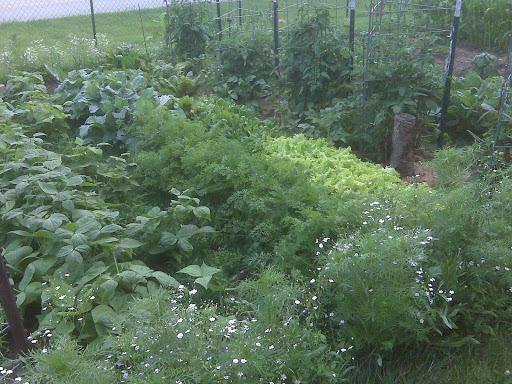
The last couple of weeks have been punctuated with intermittent flurries of planting, and the gardens are starting to green. Here at Sycamore House, we have three vegetable gardens.

The Driveway Garden is our oldest vegetable garden, on the southeast side of the house next to the..( wait for it)…driveway.

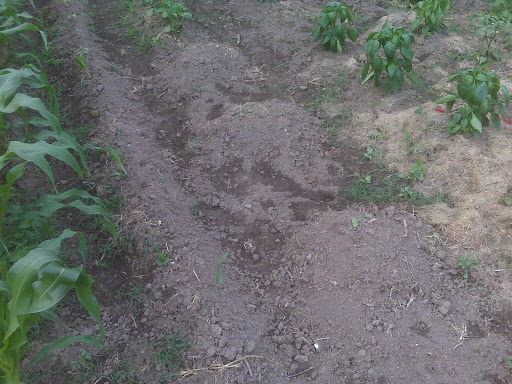
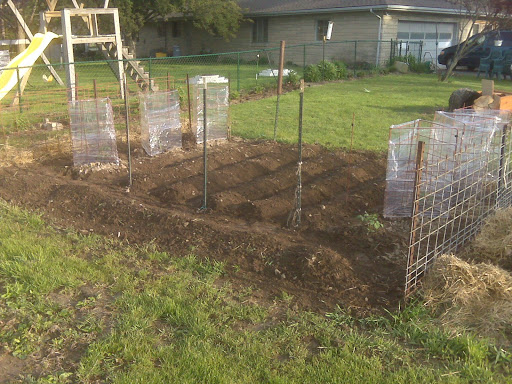
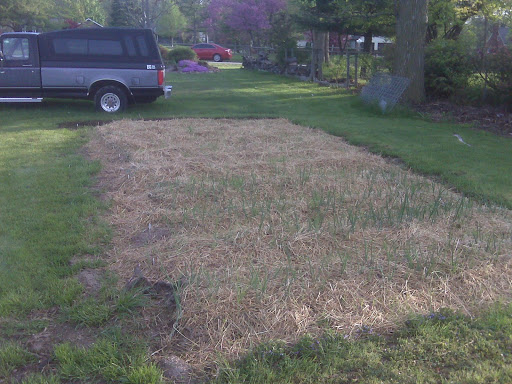
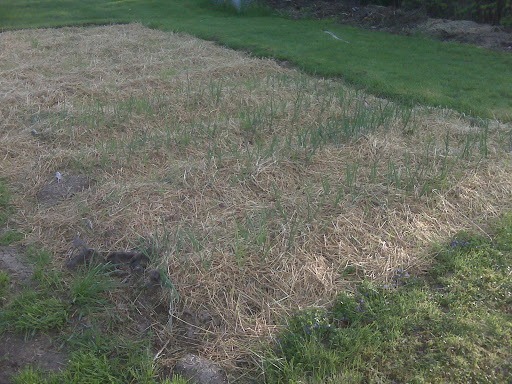
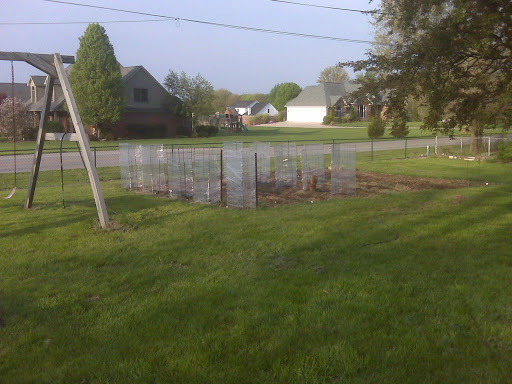
It gets great sunlight, but it is fairly low lying and root veggies do terribly in this spot. The very first year of this garden, we grew great radish plants that had no radishes at all. We work against the tendency to mud when it rains by building up beds. We grew great pumpkins here for several years before a miserably failed experimental move last year, so we are moving them back here this year. This year the garden has 7 tomato plants ( one of which is not yet caged) and four rows for peas and snowpeas. It will have cucumbers, summer squash, spinach, zuchinni, greenbeans, and tbd. We tried an experimen tthis year, planting our tomato plants a little earlier than normal. We wrapped the tomato cages (which the Ogre created from cattle panel)in a packing/saran type plastic to make mini greenhouses. Our very early tomato planting was a serious failure ( since it snowed the very next day..) but planting right at the border between April/May ( two weeks earlier than normal) looks like it may succeed and will give us some EarlyGirl tomatoes by mid June. With more room for tomatoes this year, we are experimenting with several different heirloom varieties. We have planted Mountain Pride, German queen and yellow pear, along with classic Early Girl, beefstake, golden and our new favorite Mr. Stripey , we always include grape and husky cherry. I am looking forwardto experimenting and finding some new favorite tastes and textures as well as having a bounty to can for the winter. The failure ofroot crops in this first location convinced us to an additional garden last year. It did so well with root crops that we dedicated it entirely to root crops- onions ( red and yellow), potatoes (red and golden) and sweet potatoes. The onions are already sprouting nicelyand the potatoes are secretly rooting under ground,although I have not seen any sprouts from them yet. ( fingers crossed) We have some additional late season potatoes that we will plant in the backyard garden as an experiment later this summer. It is too soon to plant sweet potatoes, buttheplants are on order and should be arriving in a week or so. In the meantime, we have prepped the bed for the plants and we re growing an early crop of spinach in the space. Last year Ogre added a small tomato plot in the backyard near the fence, but even with that, weran out of tomatoes well before the winter was over. This year he expanded thatplot into a full fledged backyard garden that doubles our gardening space. This garden is growing 10 tomato plants, as well as avariety of veggies. So far we have planted a variety of peppers ( sweet and hot), green beans, leeks, corn, lettuce, kohlrabi, artichokes, brussel sprouts and radishes. This garden will get some late crop corn, second crop green beans, lettuce through the whole season, some potatoes and some sweet potatoes. I am excited about all of the newthings we are getting to try because of the additional space. We are already getting lettuce and kohlrabi sprouts and I am expecting the first ofthe greenbeans sprouts to pop any day. I would love to hear if you are planting a garden andwhat you love to grow and feed your family.

Lunchtime gardening

During gardening season, one of the great advantages of working mostly from home is that I can slip outside over my lunch hour and get some gardening done. After several days of being stuck inside due to rain, rain, hail and more rain, it was a joy to get outside and get a bit caught up. There is still a lot of spring prep to be done over the next 2 weeks , but here is what I got done today:

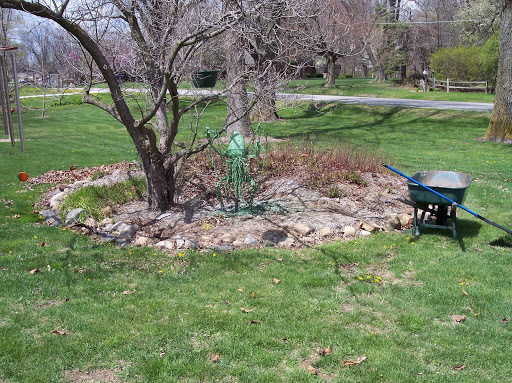
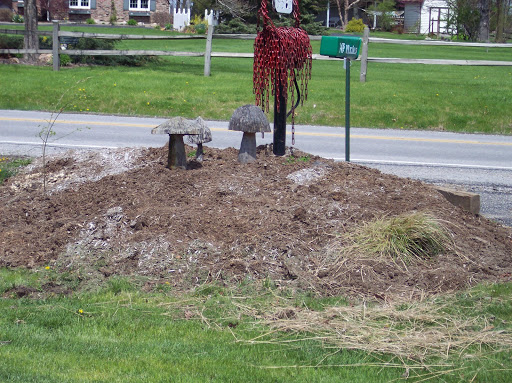
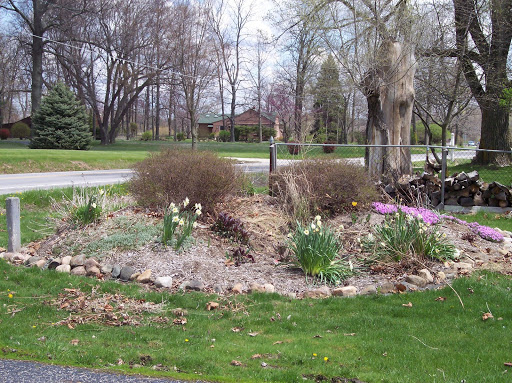
  • Moved the three chain saw carved Mushroom the Ogre made a few years back from the garden where Cthulhu has landed to the new hill garden by the mailbox ( this now names them the Cthulhu garden and the Mushroom garden)
  • Dug up, split and transplanted ornamental grass from perennial hill garden to the new Mushroom hill garden.
  • Planted 25 Freesia bulbs in the Mushroom garden
  • Picked up 2 wheelbarrow loads of winter debris that had been cleared out of the Cthulhu garden right before the rains came and dumped it in the firepit.

Not bad for 40 minutes of work.

As you can see, there is still a lot of work to do in all of these gardens ( as well as all the other gardens around the house), but I am pleased where they stand at this point on the calendar.

Early garden start

The Ogre and I spent all day yesterday getting an early start to the garden. It is an awesome feeling to be on time this year and know that we are starting out a step ahead ( that advantage will soon be lost and I will be playing catchup, never fear).

We expanded garden space this year, turning what used to be the tomato plot into a full sized garden and deciding to spread out tomatoes- both within and between gardens. Yesterday we got our long growing root crops ( onions and potatoes) planted, along with some experimental early greens.

We planted 4 double rows of onions ( 2 red and 2 yellow) which if they grow well will yield about 200 onions. That should almost get us through the next year without buying store onions. I will be happy if we get enough to take us 6 months. We also planted 8 ( 11 foot long) mounds of potatoes ( red and yukon gold). This is the part that if they grow well, could scare me come harvest time. One row of each will be dug up early for baby potatoes and eaten duing the summer. We will replant that row for a late harvest row with the few seed potatoes we set back. We already have plans for a summertime renovation of the pump room downstairs to use as a modified root cellar, and if the potatoes grow well, we will need it.

The space for sweet poatoes is prepped, but waiting. Those get planted as plants and it is way too early to get them growing. In their space, I am running an early greens experiment and planted a row of spinach. If we manage to be done with hard freezes, we could be eating fresh spinach in less than a month and it should get to the end of its cycle about the time to plant the sweet potatoes. If it does freeze, we will just re-plant in another spot . Luckily, a single packet of seeds is not a great loss. Additionally, I planted 2 rows of peas and a row of sugar snaps. Again, a risk, since we could get an early freeze, but a small loss if we do. If we manage to slide through without bad freezes, we will be harvesting at memorial day. The fencing where the peas get planted will get overgrown by cucumbers later in the summer. The Ogre tried a new double fence arrangement which should support and make the cucumbers easier to harvest and contain.

An even better memorial day treat may come from an experiment that the Orge originated. He created three modified cold frames by wrap 3 of our 16 tomato frames with clear plastic and we early planted 3 plants- a Mr. Stripey, an Early Girl and a Cherry Tomato. I have my fingers crossed on this one, because if it works, we could have fresh tomatoes by memorial day or shortly after, instead of waiting until July 4. An extra month of tomatoes to eat is wonderful, but even better, if it works, we will do at least half of the tomato plants that way and will have extras to can/freeze as well.

Eating outside of the box

Todays CNN.com article on the choices being faced by the unemployed to eat or to pay other bills got me thinking that maybe it was time to tackle the problem with a little outside the box thinking. There is no doubt that the food stamp program does unimaginable good for the recipients. The editors of the NYT Times recently pointed out that not only does the food stamp program feed people, but it also does direct good to assist with stimulating the economy as well. While there are a lot of people starting to emphasize with those struggling to make ends meet, including a CNN reporter trying to live on the SNAP ( food stamps) budget for a month, I have not seen many people trying to address the problem raised by one woman in the CNN article:
“Sears stretches her food budget by buying cheap and sometimes fatty meals. She said she doesn’t like doing that but can’t avoid it. With food prices high, she said, grocery shopping is stressful.

“We get like the mac and cheese, which is dehydrated cheese — basically food that’s no good for you health wise,” she said. “Everything is high in sodium and trans fats … and that’s all we basically can afford. There’s not enough assistance to eat healthy and maintain a healthy weight.”

Advocates for the hungry say many people on the food stamp program opt to buy less-healthy foods because they can’t afford fresh fruits and vegetables on such a tight budget.”

What if we look at other method for getting food into people’s hands and on their tables instead of just looking to spend more money at the grocery stores ? We are lucky to live in a nation with a long growing season and lots of good soil. Even in the depths of cities, there are many gardens and green areas. Because of this, the American Community Garden Association lists 120 community vegetable gardens in New York City alone. What if we added funding and support for gardening to the fod stamps program? Let the program help pay for staff that can assit, mentor, and administrate the gardens (people need jobs, right?) and people who volunteer in the gardens get a portion of the harvests. They get fresh fruits, vegetables and herbs for a few hours of work each week. The peak growing season is summer- when students are out of school. This would also provide and activity that even younger kids can participate in and they will learn useful life skills as well.

Don’t live in an area with a community garden? Allow food stamps to pay for seeds, basic gardening tools and items that individuals in rural and/or suburban areas could use to plant provate gardens. Allow regional areas to purchase and loan out garden tillers that folks who want to plant in their yard can use. If we are worried about enough people being able to use a tiller, or the tillers getting abused or stolen, then again- hire people who can travel the rounds of food stamp recipients’ houses to till a garden.

Want to make the impact really lasting? Build a social media site and some print pamphlets with gardening tips, cooking tips, recipes and information on canning and preserving food. It would need to have some non-online resources as not everyone can afford to be online, or has the time to cruise the net at the library every week.

Want to really surprise people? Make it easy for home gardeners to band together to sell excess food in small farmer’s markets, or to trade zucchini that they grew for carrots that someone else had success with.

This is not an unprecedented idea. During World War I and II, the Victory garden program called for people to grow food at home or close by to assist with the conservation of oil being used by the war efforts. Today, the Liberty Garden program also calls on individuals to grow food in backyard gardens to help conserve energy and to make eating more eco friendly.

By implementing a “garden growing” portion into the SNAP program, we will not only alow people to eat in a more healthy way, we will also add jobs and be more eco friendly. Seems like a certain win on all facets.

Bounty…

I picked tomatoes over lunch on TwitPic

It is the time of year when the harvest of vegies makes you feel like you could eat forever and still have food. It has been weeks since I have been to the grocery, but it is only today when I finally feel like I need to go pick up some bread and milk and odds and ends.

Share photos on twitter with Twitpic

As I write this, the roma tomatoes are on the stove, simmering into a mess that will become tomatoe/spaghetti sauce and the rest of the tomatoes await canning tomorrow. Some will get canned plain, but some will become cilantro tomatoes for a summer delight later when the snow is piled high.

Tomorrow will be a busy day, there is swiss chard and kale to pick and freeze, pickles to be made and late summer seeds to be sown… now all we need is just a bit of rain…